


Wet vs. Dry Sandblasting Machines: Which One Is the Right Choice?
Wet vs. Dry Sandblasting Machines: Which One Is the Right Choice?
In the field of surface treatment, wet and dry sandblasting machines are both used to remove rust, old paint, dust, and other contaminants from material surfaces. However, the two methods differ significantly in terms of operating principles, dust control, processing speed, and application range.
Understanding the characteristics of each type of machine helps businesses select the most suitable equipment for their production requirements.
1. What Is a Dry Sandblasting Machine?
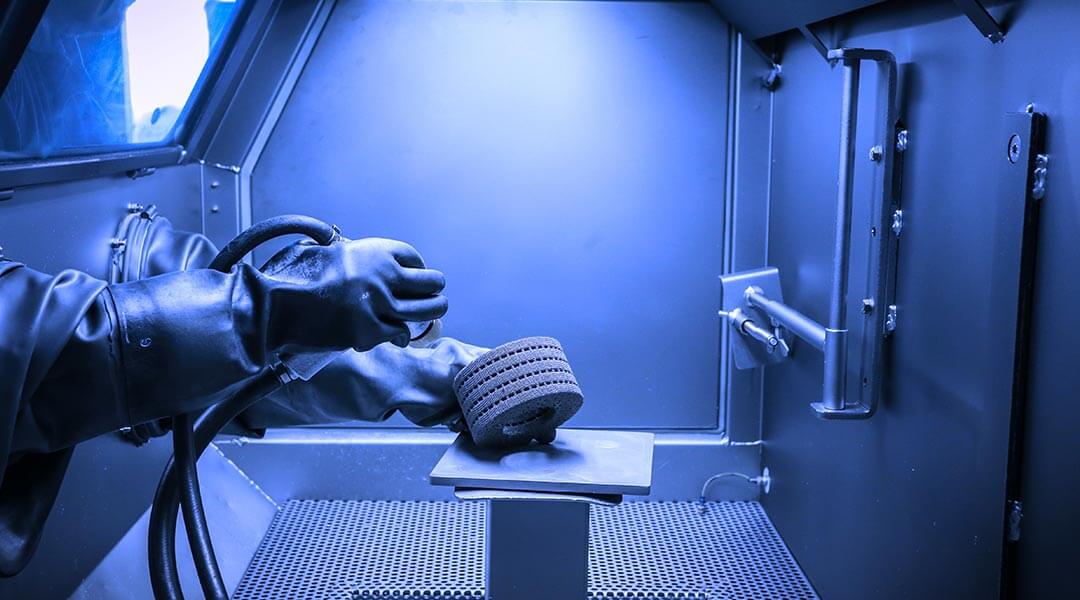
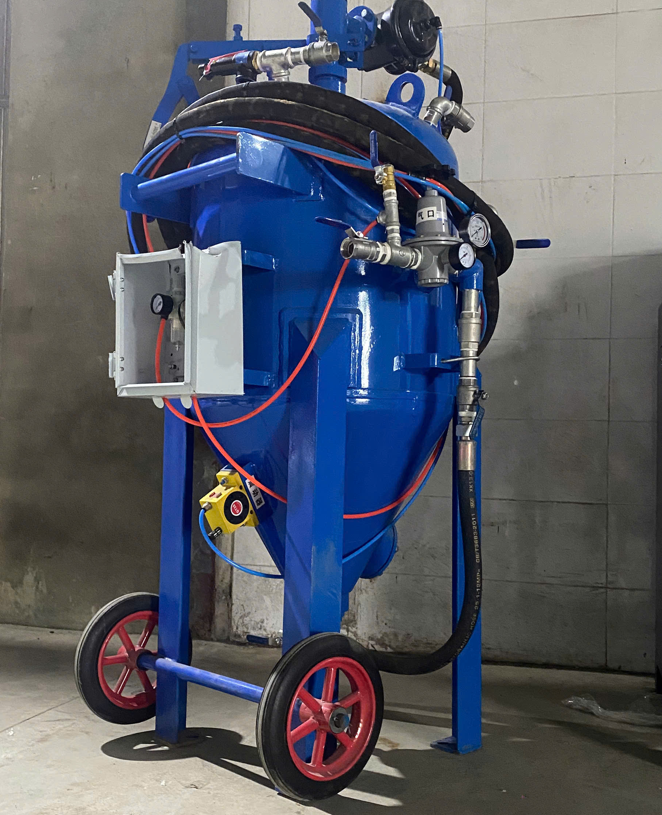
A dry sandblasting machine uses compressed air combined with abrasive media to generate a high-velocity stream of particles that directly impacts the surface being treated.
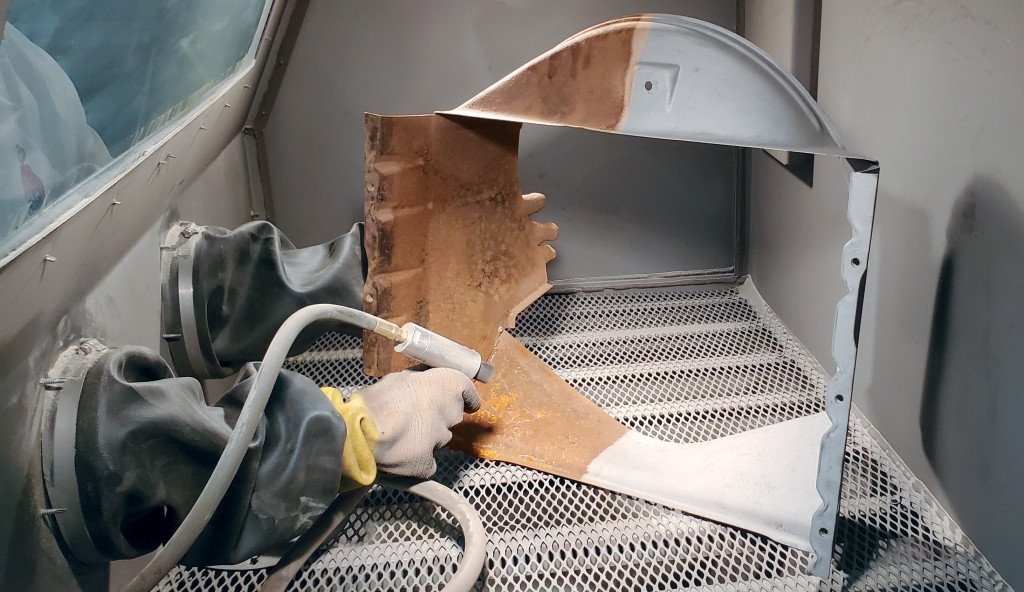
When the abrasive particles strike the material, rust, old paint, oxides, and other contaminants are removed. This method provides strong cleaning performance and is commonly used for applications requiring rapid cleaning or surface roughening.
Common applications:
- Cleaning steel structures.
- Removing rust and old paint.
- Treating mechanical components.
- Preparing surfaces before painting.
- Cleaning industrial machinery and equipment.
2. What Is a Wet Sandblasting Machine?
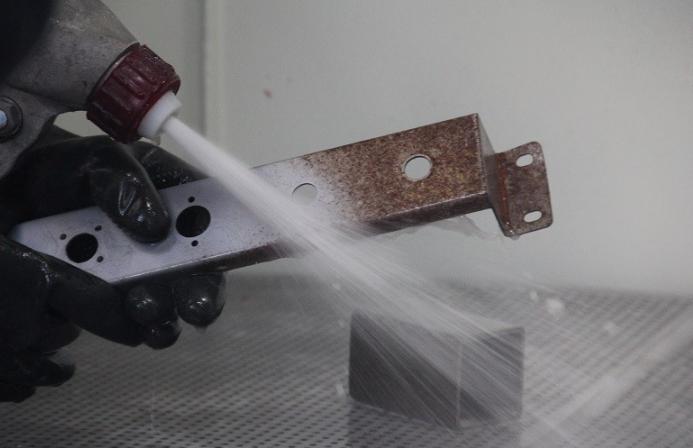
Unlike the dry method, wet sandblasting combines abrasive media with water during the blasting process. The water helps suppress the amount of dust generated when abrasive particles impact the surface.
This method is particularly suitable for environments where dust control is important or for surfaces requiring a gentler treatment process.
Common applications:
- Cleaning metal surfaces.
- Treating components where dust must be minimized.
- Removing paint and surface contaminants.
- Surface treatment in areas with strict dust-control requirements.
- Cleaning and creating specific surface finishes on certain products.
3. Comparison of Wet and Dry Sandblasting Machines
| Criteria | Dry Sandblasting Machine | Wet Sandblasting Machine |
|---|---|---|
| Method | Compressed air + abrasive media | Compressed air + abrasive media + water |
| Cleaning performance | Powerful and fast | Gentler and more controllable |
| Dust generation | Higher | Significantly reduced |
| Cleaning speed | High | Generally slower |
| Surface moisture | No water involved | Surface remains wet after treatment |
| Surface roughening | Excellent | Can be controlled according to requirements |
| Post-treatment | Minimal drying required | May require drying and corrosion protection |
| Suitable for | Industrial, steel structures, mechanical applications | Areas requiring dust control |
4. Advantages of Dry Sandblasting Machines
Dry sandblasting machines offer advantages in terms of processing speed and cleaning power. Dry abrasive particles directly impact the surface, allowing thick layers of rust, paint, and stubborn contaminants to be removed efficiently.
This makes dry sandblasting a suitable choice for mechanical workshops, metal processing facilities, and businesses that need to process large quantities of products within a short period.
Another advantage is that the surface is not exposed to water during blasting, allowing it to proceed to subsequent processes more conveniently.
5. Advantages of Wet Sandblasting Machines
The most notable advantage of wet sandblasting is its ability to reduce dust during the treatment process. Water helps suppress and capture a portion of the dust generated when abrasive particles impact the surface.
This is particularly beneficial in environments where dust control is important or when treating products where dry dust could affect the surrounding work area.
However, after wet blasting, metal surfaces should be thoroughly dried and appropriately protected against corrosion to prevent oxidation.
6. Should You Choose Wet or Dry Sandblasting?
There is no single machine that is suitable for every application. The choice depends on the material being treated, degree of rust or contamination, required cleanliness level, working environment, and desired productivity.
Choose dry sandblasting if:
- High cleaning speed is required.
- Thick rust or old paint needs to be removed.
- A pronounced surface profile is required.
- The workshop has an appropriate dust collection system.
- Large steel structures and mechanical components need to be processed.
Choose wet sandblasting if:
- Dust control is a priority.
- The working environment requires reduced airborne dust.
- Surface treatment needs to be carried out with a more controlled impact.
- Suitable drying and corrosion-protection procedures are available after blasting.
7. Conclusion
Dry sandblasting machines stand out for their high processing speed, strong cleaning performance, and excellent surface roughening capability, while wet sandblasting machines offer superior dust control and are better suited to environments with stricter requirements for dust reduction.
Choosing the right technology not only improves surface treatment efficiency but also helps save processing time, reduce labor costs, and improve finished product quality. Before investing, businesses should carefully evaluate the material, production scale, and surface treatment requirements to select the most suitable equipment.
Bình luận